A founder with a pricing decision to make, a sales pipeline to fix and a hiring plan to prepare should not need three consultants, a fortnight of research and a diary full of meetings. The future of AI business support is about closing that gap: giving smaller businesses practical, specialist guidance at the point a decision needs to be made.
For UK founders and lean teams, this is not a question of replacing ambition with automation. It is about removing the friction that keeps good ideas stuck in draft form. When support is available on demand, business leaders can spend less time hunting for answers and more time testing, improving and moving forward.
Why traditional business support no longer fits every business
External advisers can bring valuable experience, especially when a business faces a high-stakes transaction, regulation or a complex turnaround. But traditional support often arrives in fragments. A marketing consultant may help with positioning, an accountant may advise on cash flow and a sales coach may improve outreach. The founder still has to connect the dots.
That model is expensive, slow to arrange and difficult to sustain for an early-stage business. It also leaves a familiar problem: advice is delivered in a document or a meeting, while the work of turning it into action remains with an already stretched team.
AI changes the economics of access. Instead of paying for occasional, function-specific input, teams can get ongoing support across strategy, marketing, sales, finance, operations and people management. The real value is not an instant answer to a broad question. It is the ability to ask a better follow-up question, compare options, build a plan and keep refining it as circumstances change.
The future of AI business support is specialised
Generic chat tools are useful for drafting copy or brainstorming ideas. They are less useful when a founder needs to decide whether to raise prices, prioritise a new customer segment or recruit before revenue is predictable. Those decisions need context, commercial judgement and a clear route from recommendation to execution.
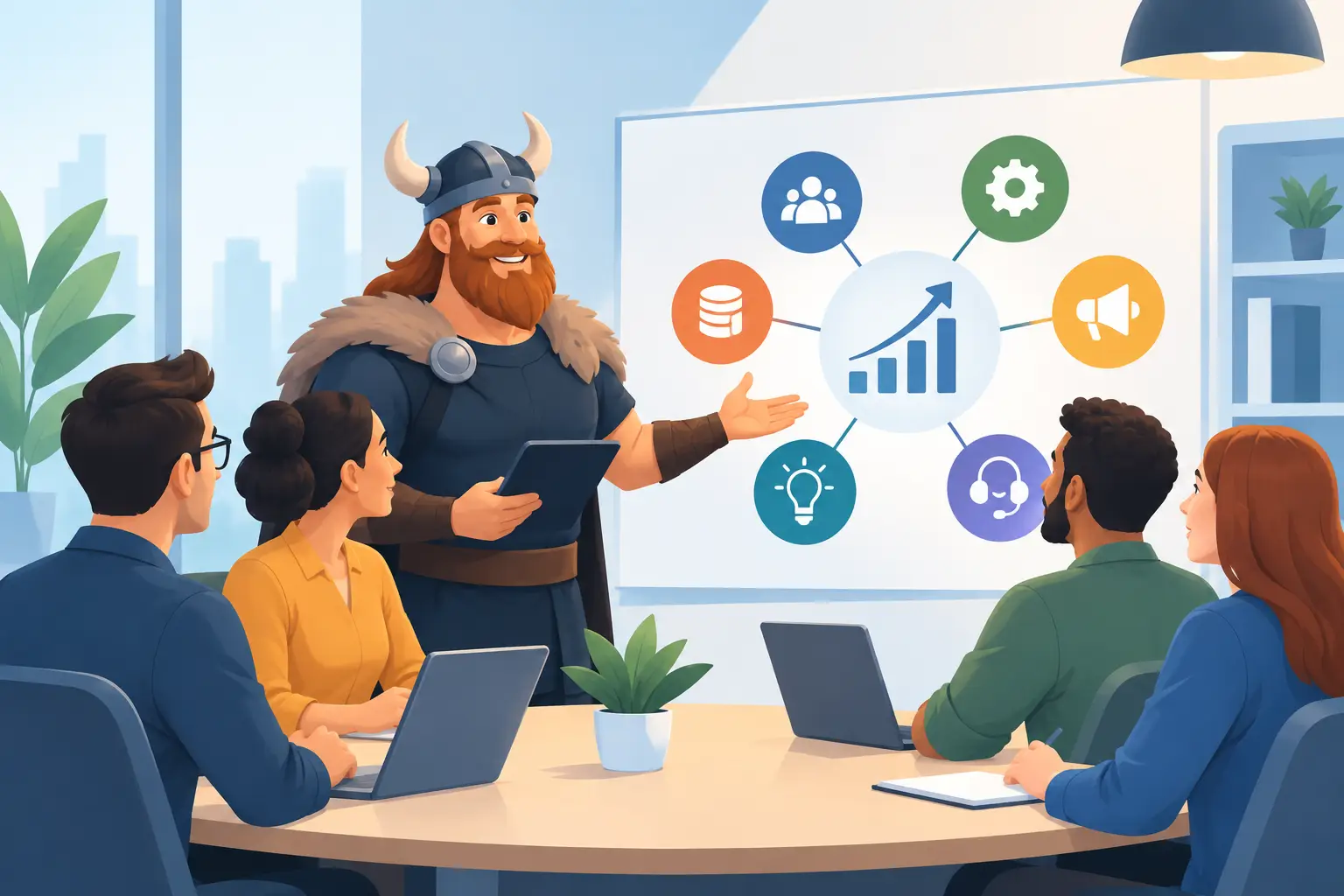
The next generation of business support will increasingly work like a virtual bench of specialists. One AI coach may help shape an offer, another may stress-test a sales process, while another turns a cash-flow concern into a practical set of actions. The experience should feel connected, not like moving between separate tools that do not understand the wider business.
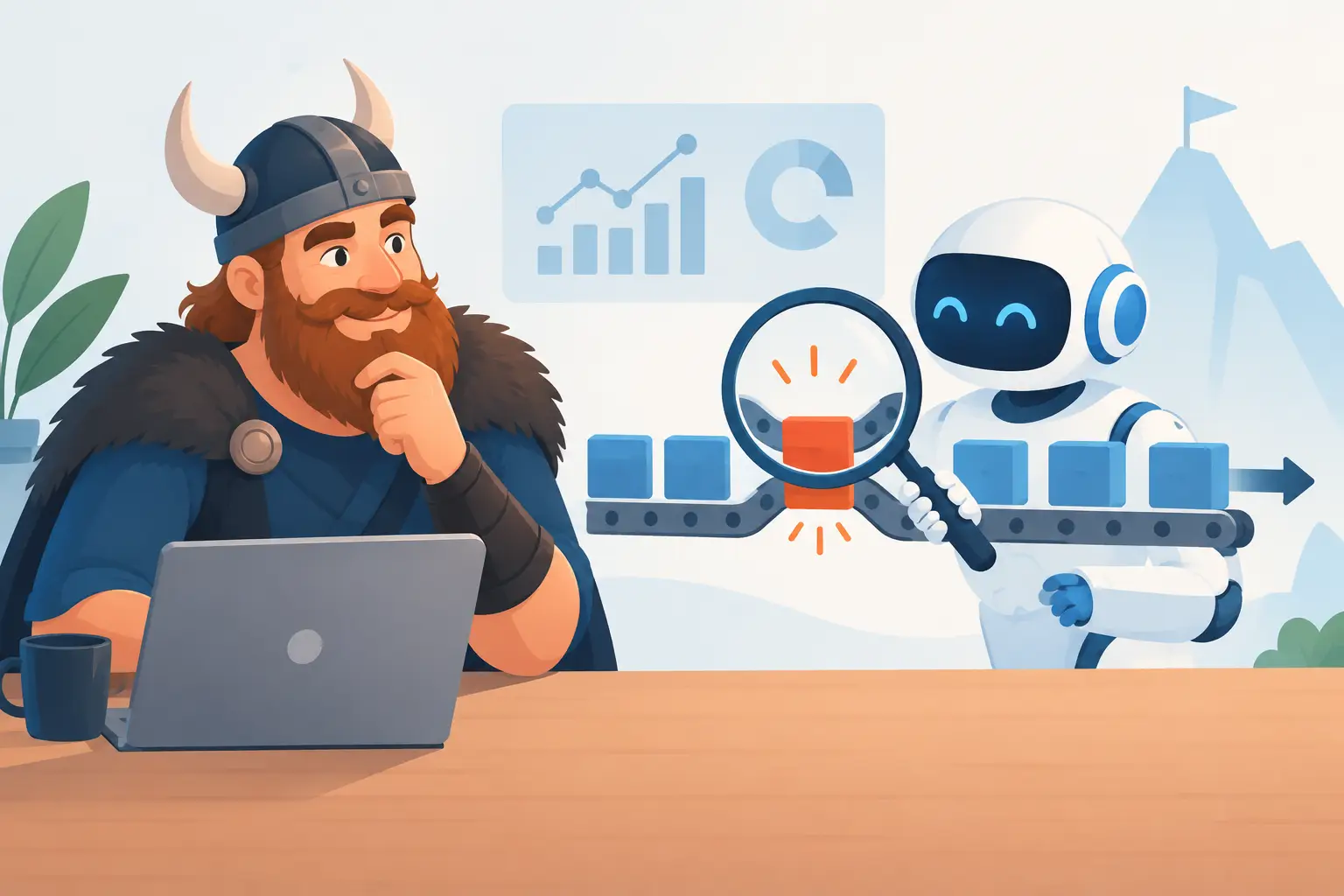
That specialisation matters because business problems rarely sit neatly inside one department. A low conversion rate may be caused by unclear positioning, weak follow-up, the wrong pricing model or a customer profile that is too broad. Good support helps a team diagnose the root issue before rushing into a tactic.
From answers to working plans
The difference between useful AI support and generic output is what happens after the first response. A strong system should help turn a goal into a sequence of manageable decisions: clarify the objective, assess the current position, identify constraints, choose priorities and define the next actions.
Consider a founder who wants to increase monthly revenue. “Improve sales” is not a plan. Practical support can help them review lead sources, calculate conversion points, define a target customer, sharpen their proposition, create a follow-up sequence and establish weekly measures. The outcome is not just more information. It is a clearer operating rhythm.
This is where templates, audits, calculators and decision frameworks become valuable. They reduce the blank-page problem and make advice easier to apply. A plan is only helpful if a busy team can use it on Monday morning.
What founders should expect from AI support
The best AI business support will not promise certainty. Business is full of variables: competitor behaviour, customer budgets, timing, team capacity and market demand. What it can provide is a faster way to make well-reasoned decisions with the information available.
Founders should expect support that is tailored to their stage and objective. A business validating its first offer needs a different plan from one with a reliable customer base but inconsistent delivery. Advice should adjust as the company grows, rather than repeatedly offering the same broad playbook.
It should also be transparent about assumptions. If a recommendation depends on a certain gross margin, sales cycle or hiring budget, that needs to be visible. Clear assumptions make it easier for leaders to challenge the advice, adapt it and retain ownership of the decision.
Most importantly, it should be practical. Useful outputs include a meeting agenda for a difficult team conversation, a pricing comparison, a 30-day marketing plan, a sales-call review framework or a cash-flow checklist. These are the small but consequential pieces of work that build momentum.
Where human judgement still matters
AI can accelerate analysis and structure thinking, but it cannot carry accountability for a business. A founder still needs to decide which risks are acceptable, what the company stands for and when a relationship requires a human conversation rather than an automated response.
There are also areas where expert human input remains essential. Legal, tax, employment and regulated financial matters need qualified advice. Sensitive people decisions need care, context and judgement. Major investment decisions may warrant independent challenge from experienced advisers who can examine evidence in depth.
The sensible approach is not AI or people. It is knowing which work benefits from always-on support and which needs a specialist human relationship. For many small businesses, AI can handle the preparation, analysis and first draft, making paid expert time more focused when it is needed.
How to build AI into your decision-making
Start with a real bottleneck, not a vague ambition to “use AI”. Choose an area where delayed decisions or repeated manual work are holding the business back. That might be inconsistent lead follow-up, unclear service pricing, a lack of marketing direction or a monthly scramble to understand cash.
Give the tool enough context to be useful. Share your target customer, offer, current goals, constraints and relevant numbers. Better context produces better guidance, and it prevents teams from acting on advice designed for a business unlike theirs.
Then create a simple review habit. Use AI to prepare options and action plans, but assess the recommendation against your commercial reality. Ask what evidence supports it, what could go wrong and what metric will show whether it is working. This keeps AI in its most valuable role: a capable thinking partner that helps your team move faster with confidence.
For a platform such as Any Guru, the opportunity is to bring that support into one place, combining named specialist guidance with the tools needed to put advice into practice. Instead of treating strategy and execution as separate jobs, founders can work through both in the same flow.
A more level playing field for smaller teams
For years, larger companies have had an advantage simply because they could afford dedicated specialists in every function. Smaller businesses had to rely on the founder’s range, a patchwork of freelancers or costly consultancy projects. AI will not erase every advantage of scale, but it can narrow the support gap significantly.
A lean team with access to structured, cross-functional guidance can test ideas sooner, spot issues earlier and make decisions with greater discipline. That does not mean every decision will be right. It means fewer decisions will be made in isolation, based solely on guesswork or the loudest opinion in the room.
The businesses that benefit most will be those that treat AI as part of how they operate, not as a novelty. They will use it to prepare, prioritise, document and follow through. They will protect customer data, check critical outputs and keep people accountable for outcomes.
The future belongs to founders who can turn support into action quickly. Start with the decision that has been sitting on your desk too long, give it the attention it deserves and take the next useful step.