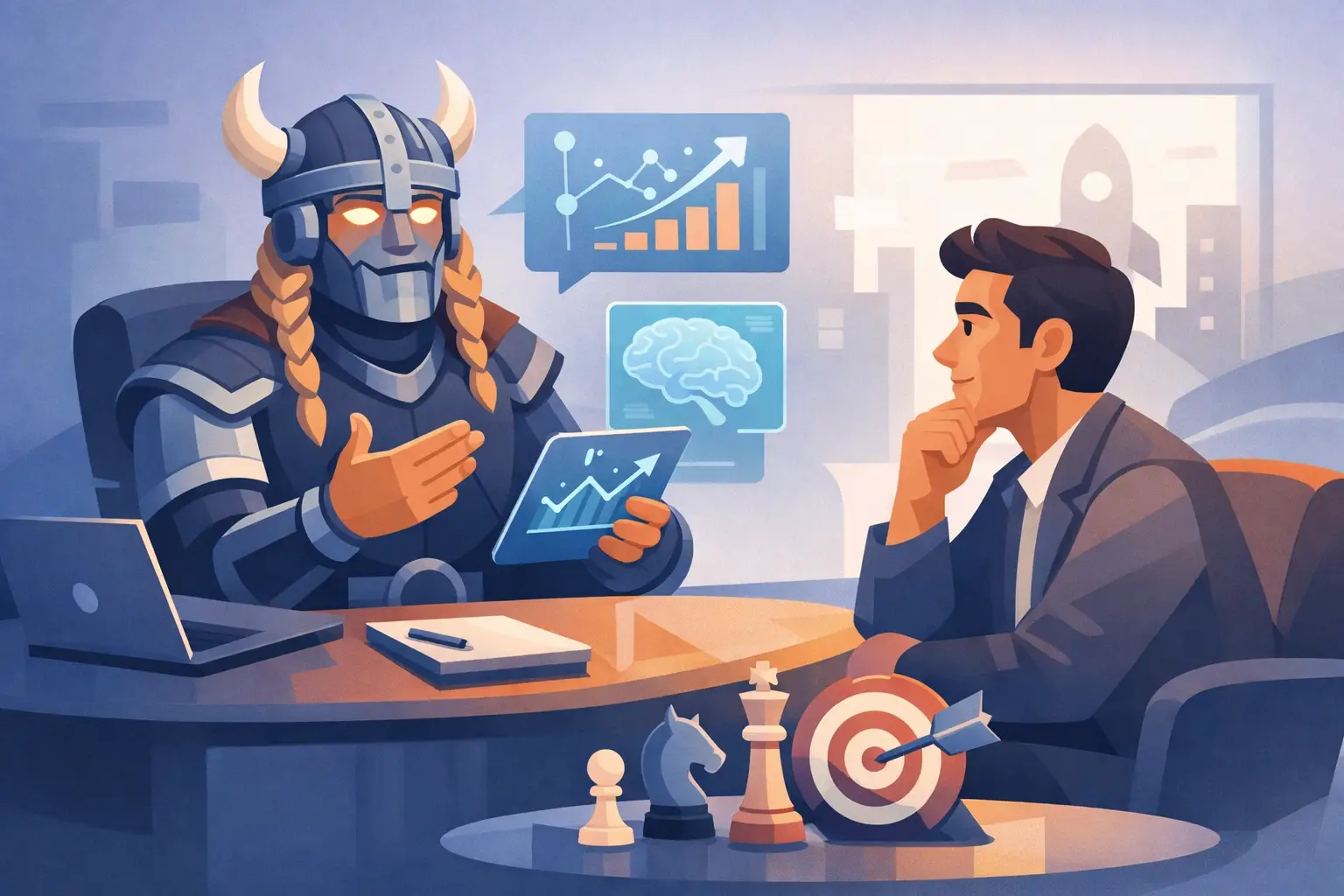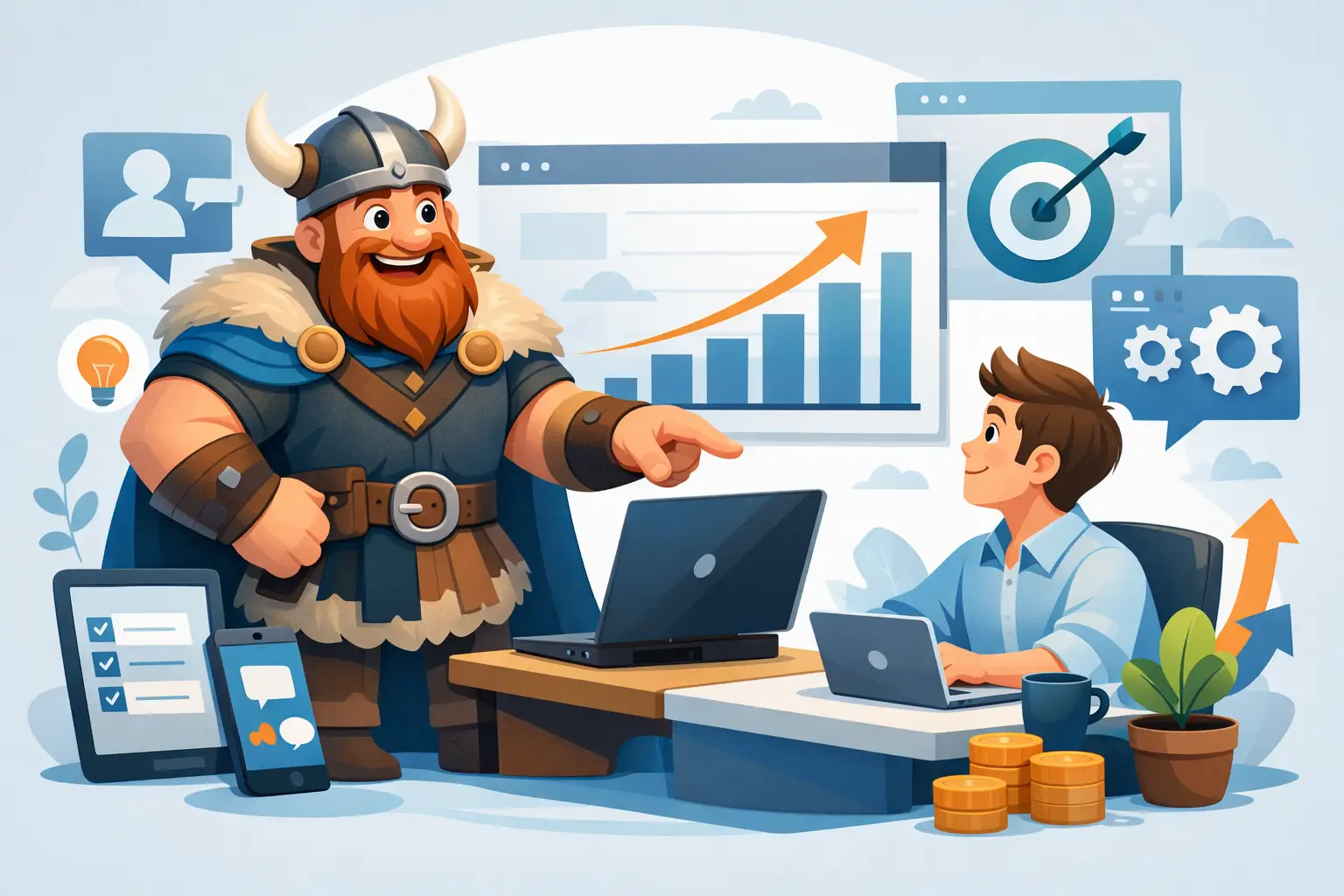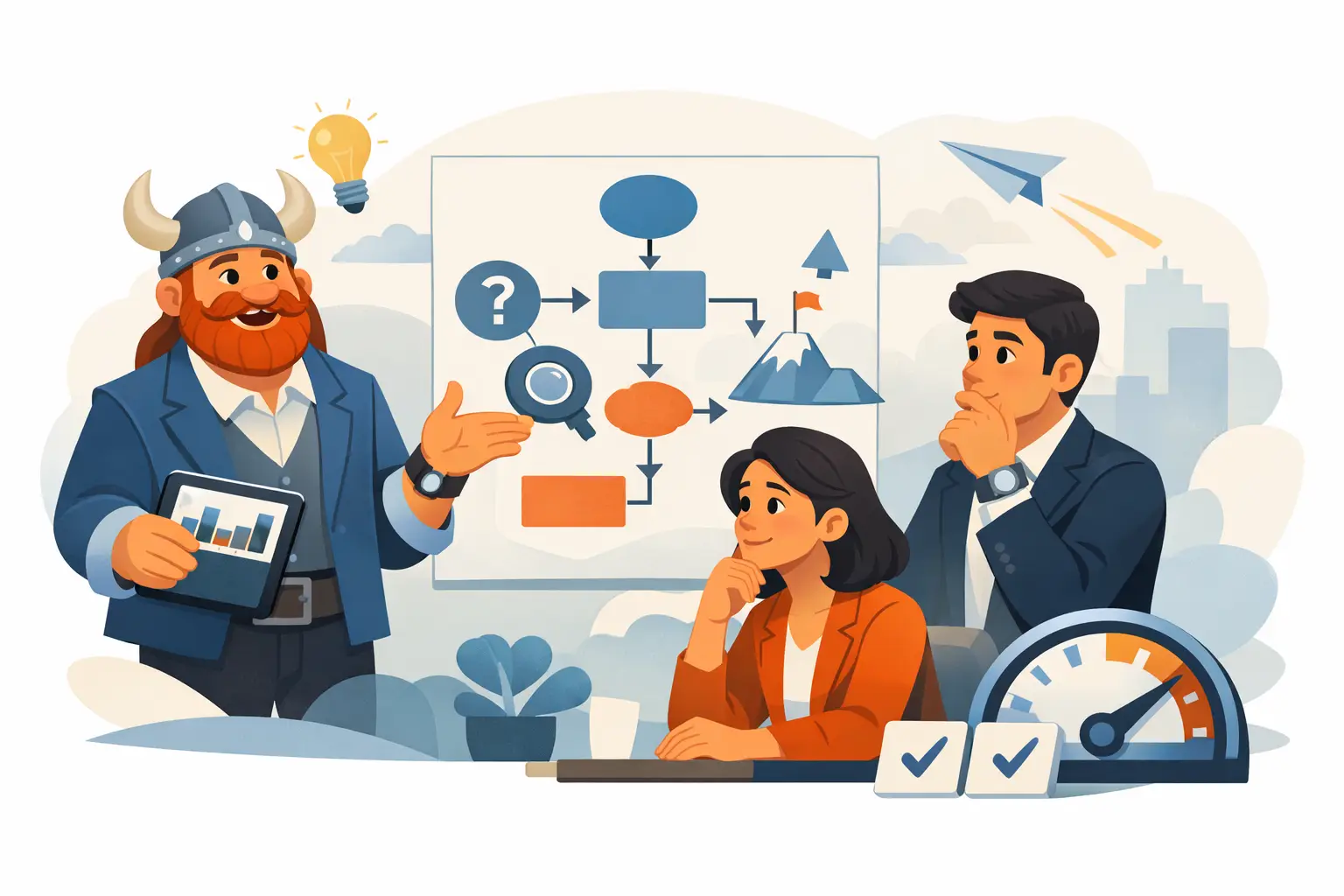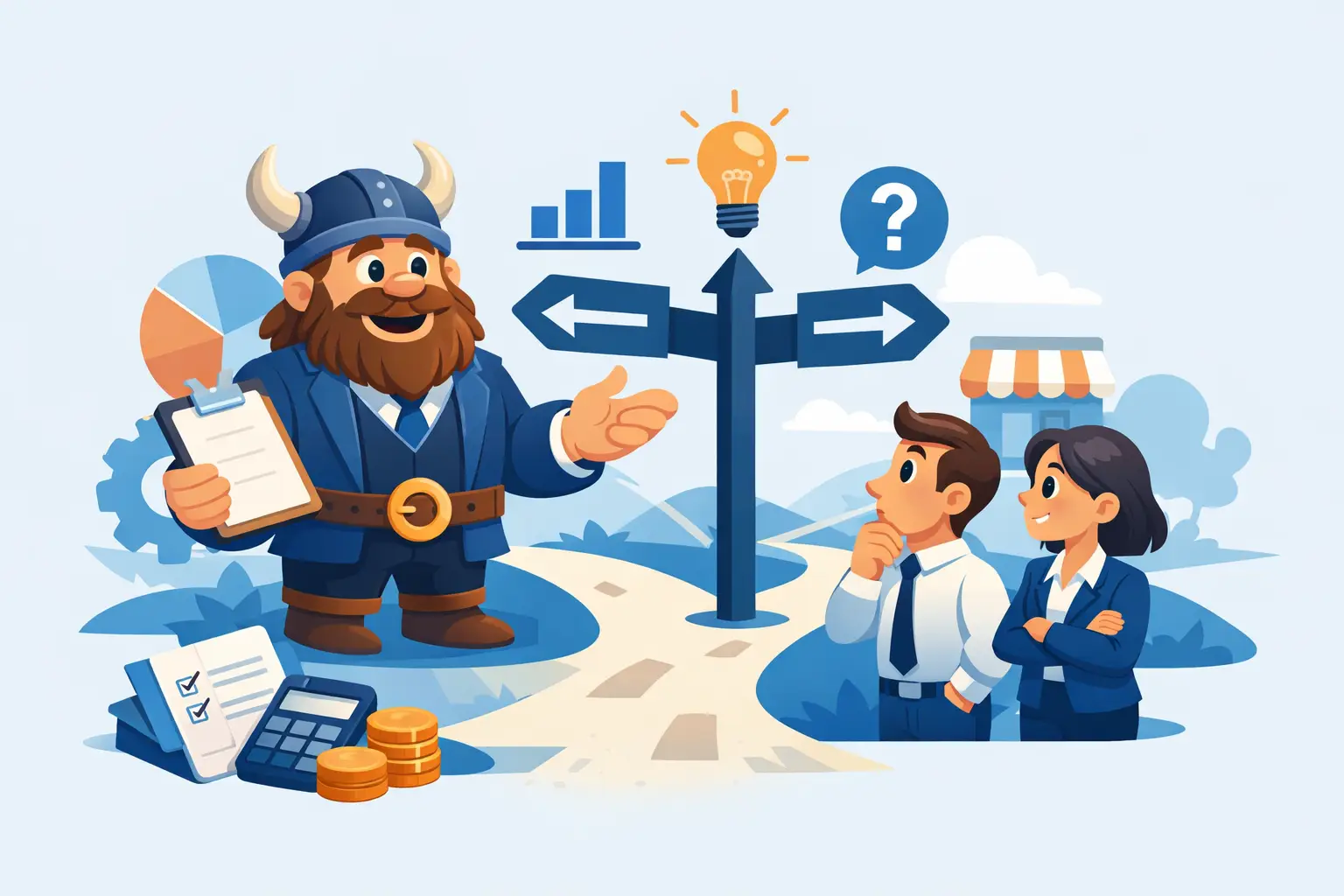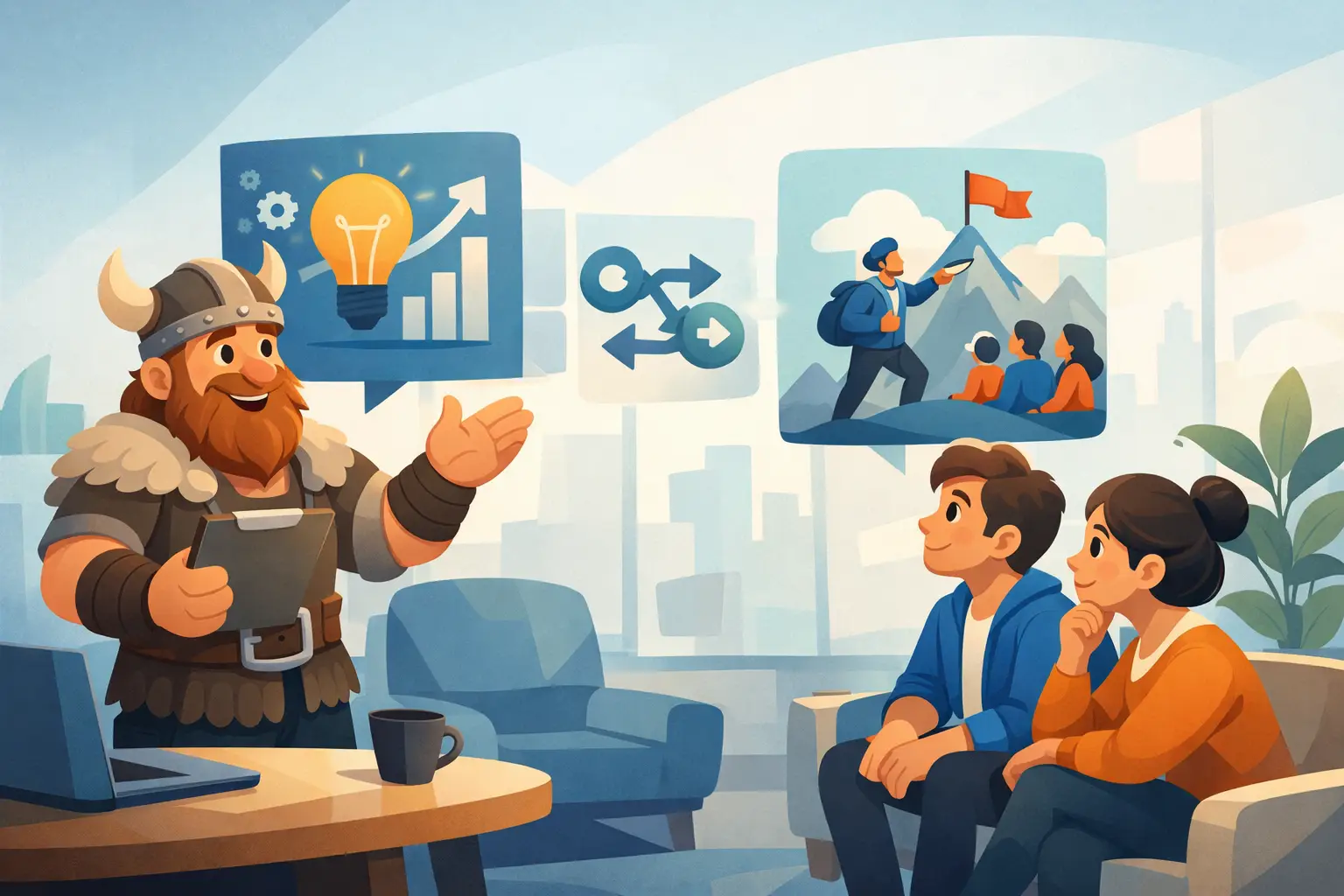
Most founders do not need more marketing ideas. They need fewer bad ones, faster decisions, and a clear path from “we should try this” to “this is working”. That is exactly where an ai marketing coach for founders can earn its keep.
For a lean team, marketing often becomes a messy mix of instinct, borrowed tactics and half-finished campaigns. One week it is LinkedIn posts. The next it is paid ads, email nurture, a landing page rewrite, and a last-minute webinar no one had time to promote properly. The issue is rarely effort. It is usually a lack of structured guidance that connects strategy, channel choice, messaging and follow-through.
An AI coach can help close that gap. But not every founder needs one in the same way, and not every tool that calls itself a coach is actually useful.
What an ai marketing coach for founders should actually do
A real marketing coach does more than answer questions. It helps you make better decisions, spot weak thinking, and turn broad goals into practical actions. The AI version should do the same.
That means it should help you clarify your audience, sharpen your offer, prioritise channels, improve conversion points and create realistic plans you can act on this week, not someday. If it only generates social captions or blog ideas, that is not coaching. That is content assistance.
For founders, the distinction matters. You are not looking for endless output. You are looking for direction. Good coaching reduces noise. It tells you what to focus on first, what can wait, and what is likely to waste your budget.
The best AI coaching tools also work across the full marketing workflow. They can support positioning, campaign planning, lead generation, follow-up sequences, pricing communication and reporting. That matters because most growth problems are not isolated. Poor ad performance may be a targeting issue, but it could just as easily be weak messaging, a confused offer, or a landing page that asks too much too soon.
Why founders are turning to AI coaching now
Hiring a senior marketing consultant is expensive. Hiring a full in-house team is more expensive still. Most early-stage companies sit in the awkward middle. They need strategic support, but not enough to justify agency retainers, full-time specialists and separate tools for every task.
That is why AI coaching is gaining traction. It gives founders a way to access guidance on demand, without waiting for the next advisory call or paying for hours they do not use. When you are making decisions daily, speed matters. So does consistency.
There is also a more practical reason. Founders are carrying too much cognitive load. They are switching between sales, operations, hiring and finance while trying to keep growth moving. Marketing often suffers because it requires both big-picture thinking and repeated execution. An AI coach can create structure where there is currently guesswork.
Used well, it can help you move faster with more confidence. It can challenge assumptions, stress-test plans and turn vague ambitions into defined next steps.
Where an AI marketing coach helps most
The strongest use case is not replacing marketers. It is helping founders think and act like stronger marketing leaders.
If your positioning is fuzzy, an AI coach can help you clarify what you sell, who it is for and why people should care now. If your channels are all over the place, it can help you choose a smaller, smarter mix based on your market, resources and sales cycle. If you are posting constantly but generating little demand, it can help you connect content to a clearer funnel.
This is particularly useful for founders who know their product inside out but struggle to translate that knowledge into compelling messaging. It is also valuable for teams that have some marketing activity in place but no unifying strategy.
An effective coach should be able to help with questions like these: are we targeting the right segment, is our value proposition too broad, why are leads not converting, what should we test next, and how do we build a simple plan the team will actually execute?
Those are business questions as much as marketing ones. That is why the best support often comes from platforms that understand the wider commercial picture rather than treating marketing as a standalone function.
The trade-offs founders should understand
There is a strong case for using AI coaching, but there are limits.
First, AI is only as useful as the context it gets. If you provide vague prompts, incomplete numbers or unrealistic goals, the output will reflect that. Founders who get the most value tend to share proper detail – market, pricing, offer, customer type, sales process and current bottlenecks.
Second, AI can suggest a sensible framework without knowing the emotional texture of your buyers. It may help sharpen the message, but it cannot sit in a sales call and feel where prospects hesitate. Human judgement still matters, especially around brand, category nuance and founder-led selling.
Third, speed can create false confidence. A fast answer is not always the right answer. If a platform produces polished recommendations without showing its reasoning or helping you evaluate trade-offs, it can push you into activity that looks clever but lacks fit.
That is why coaching matters more than generation. You want a system that helps you think clearly, not one that simply floods you with options.
How to judge whether an ai marketing coach for founders is any good
Start with the outputs. Are you getting generic advice you could find anywhere, or specific guidance shaped around your stage, offer and constraints? Founders do not need another recycled list of growth hacks. They need support that fits the reality of limited time, limited budget and uneven internal capability.
Then look at the workflow. Good coaching should not stop at ideas. It should help you turn decisions into action plans, templates, audits, campaign structures and follow-up tasks. Advice without execution support creates another form of drag.
It is also worth checking whether the platform can support adjacent decisions. Marketing rarely succeeds in isolation. If your pricing is unclear, your sales process is weak, or your proposition is too broad, pure marketing advice will only get you so far. A broader coaching system can help you align the moving parts.
This is where a platform like Any Guru can make sense for growth-focused founders. Instead of offering generic chat, it combines specialised coaching with practical business tools, which is often what makes advice usable rather than theoretical.
When an AI coach is enough, and when it is not
For many founders, an AI coach is enough to build a sharper plan, improve consistency and avoid common mistakes. If you are in the early to mid stage of growth, still refining your positioning, and trying to build a repeatable marketing rhythm, it can be a very strong fit.
It may also be enough if you already have someone in-house who can execute, but they need clearer direction. In that case, the AI coach acts like a strategic sparring partner and planning layer.
But there are situations where it is not enough on its own. If you are managing large ad budgets, entering highly regulated markets, or preparing a major rebrand with significant commercial risk, experienced human input is still valuable. The same goes for businesses with complex buying committees or deeply technical categories where subtle messaging choices carry weight.
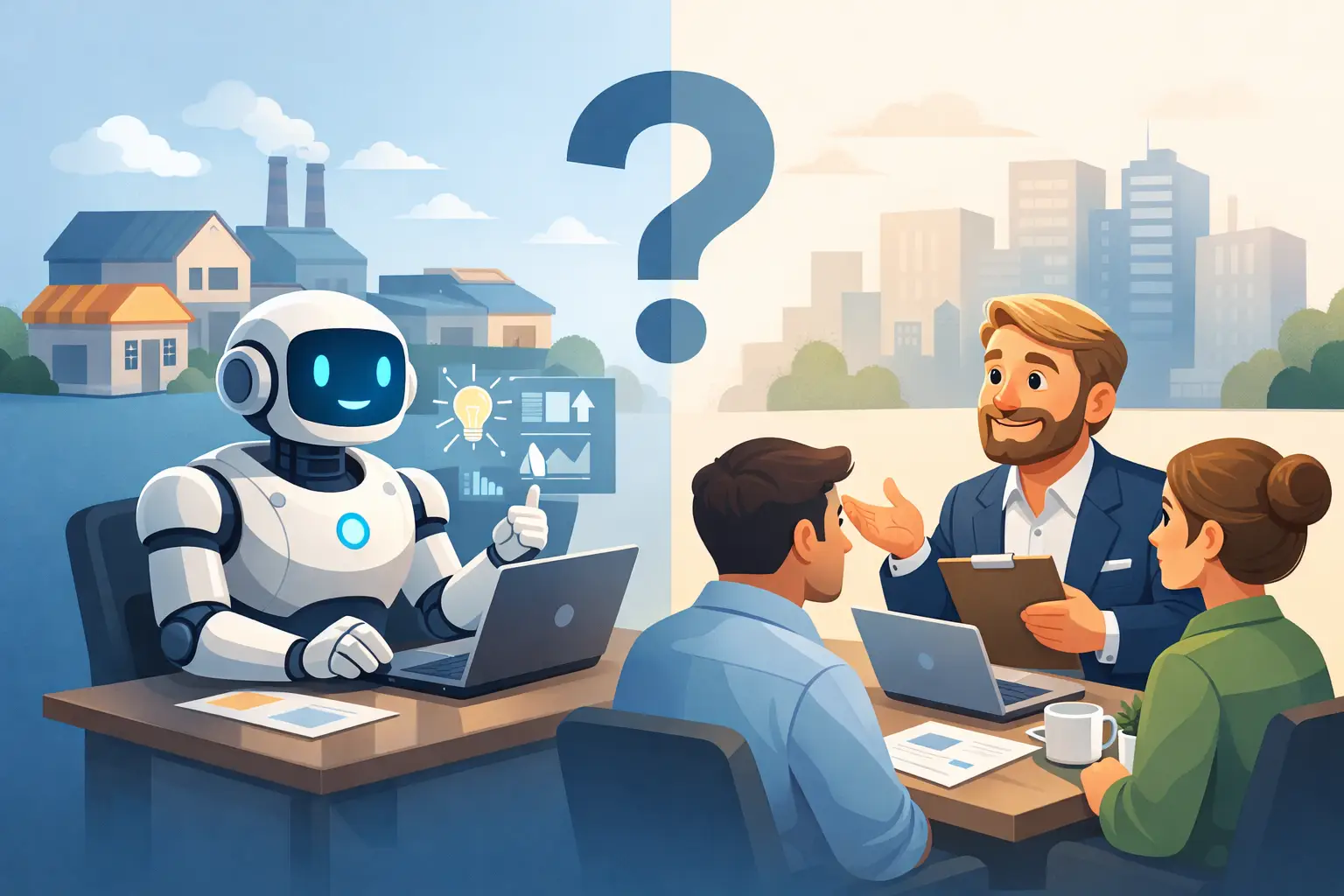
This is not an either-or decision forever. Many founders will use AI coaching as the first layer of support, then bring in specialist human help for high-stakes moments.
The smartest way to use one
Treat it like a coach, not a shortcut. Bring clear goals, real business context and honest constraints. Ask it to prioritise, challenge and sequence, not just generate. Use it to test your thinking before you spend money or brief a freelancer. Use it to create plans your team can actually execute. Use it to keep momentum when decisions would otherwise stall.
Most of all, keep your standards high. Better marketing is not about producing more assets. It is about making better commercial choices, more often.
For founders, that is the real promise here. An AI marketing coach can help you build with more clarity, grow with more focus and scale with more confidence – provided you use it as a decision partner, not a magic button.
The founders who win with tools like this will not be the ones chasing automation for its own sake. They will be the ones using it to think better, act sooner and stay close to what actually drives growth.