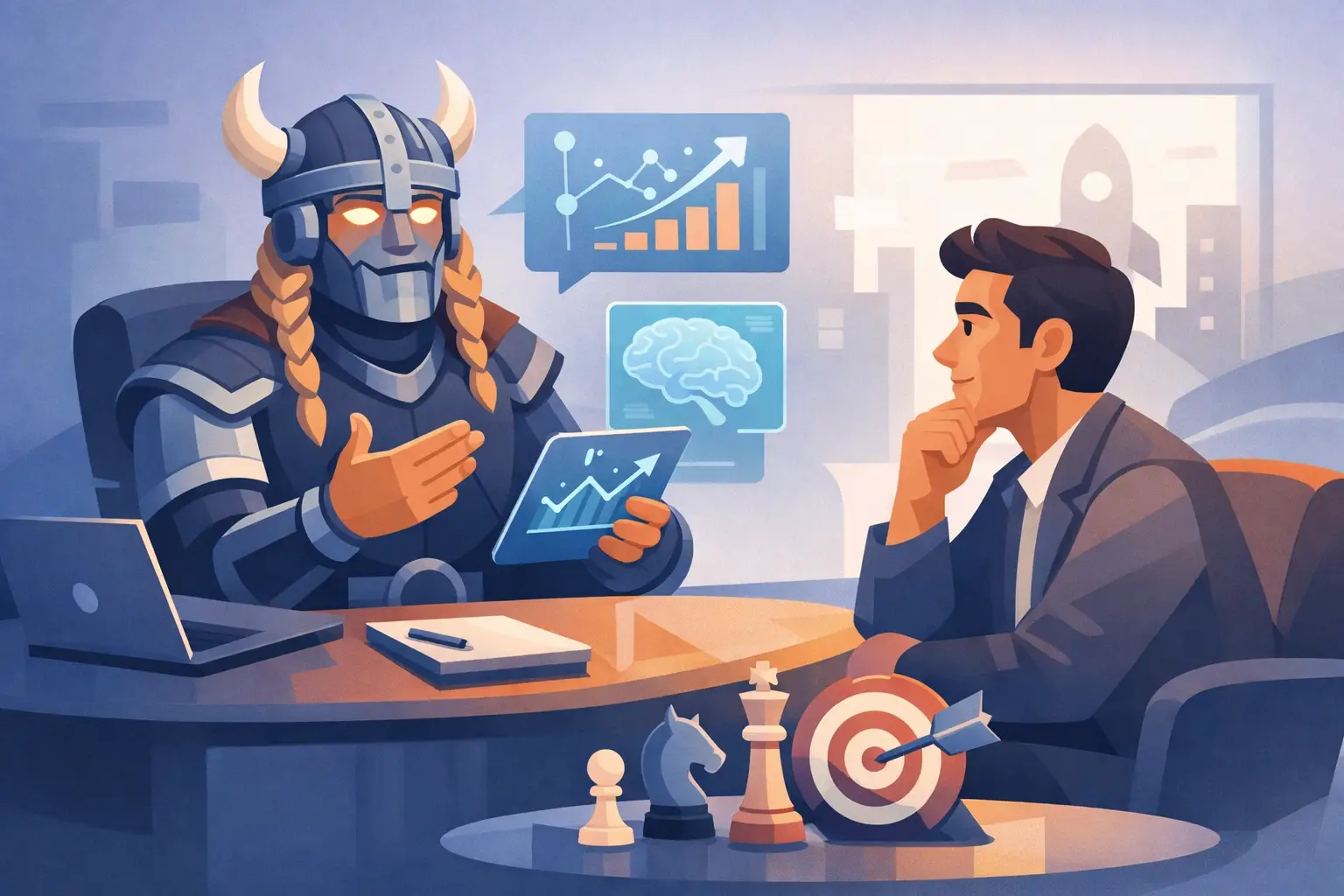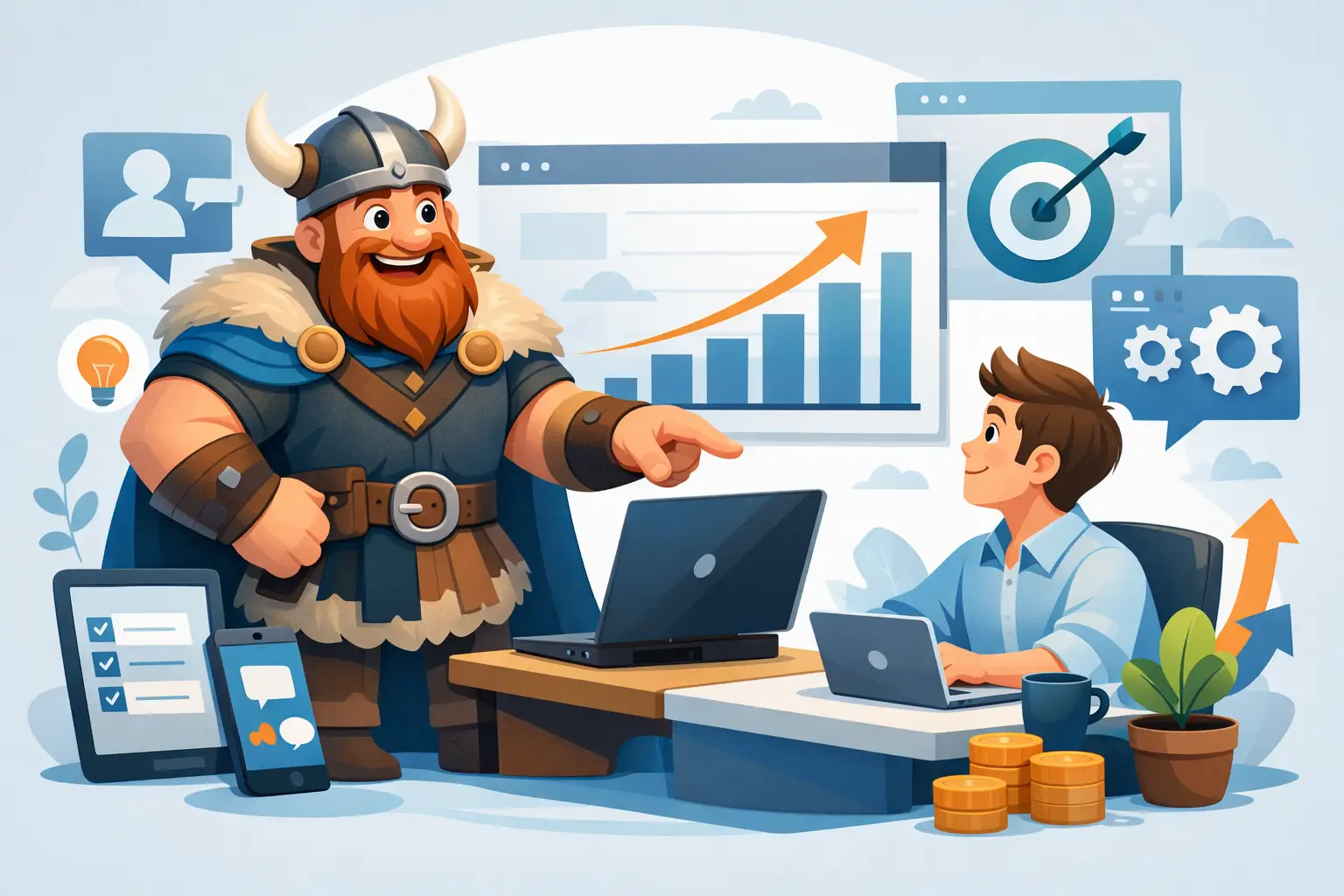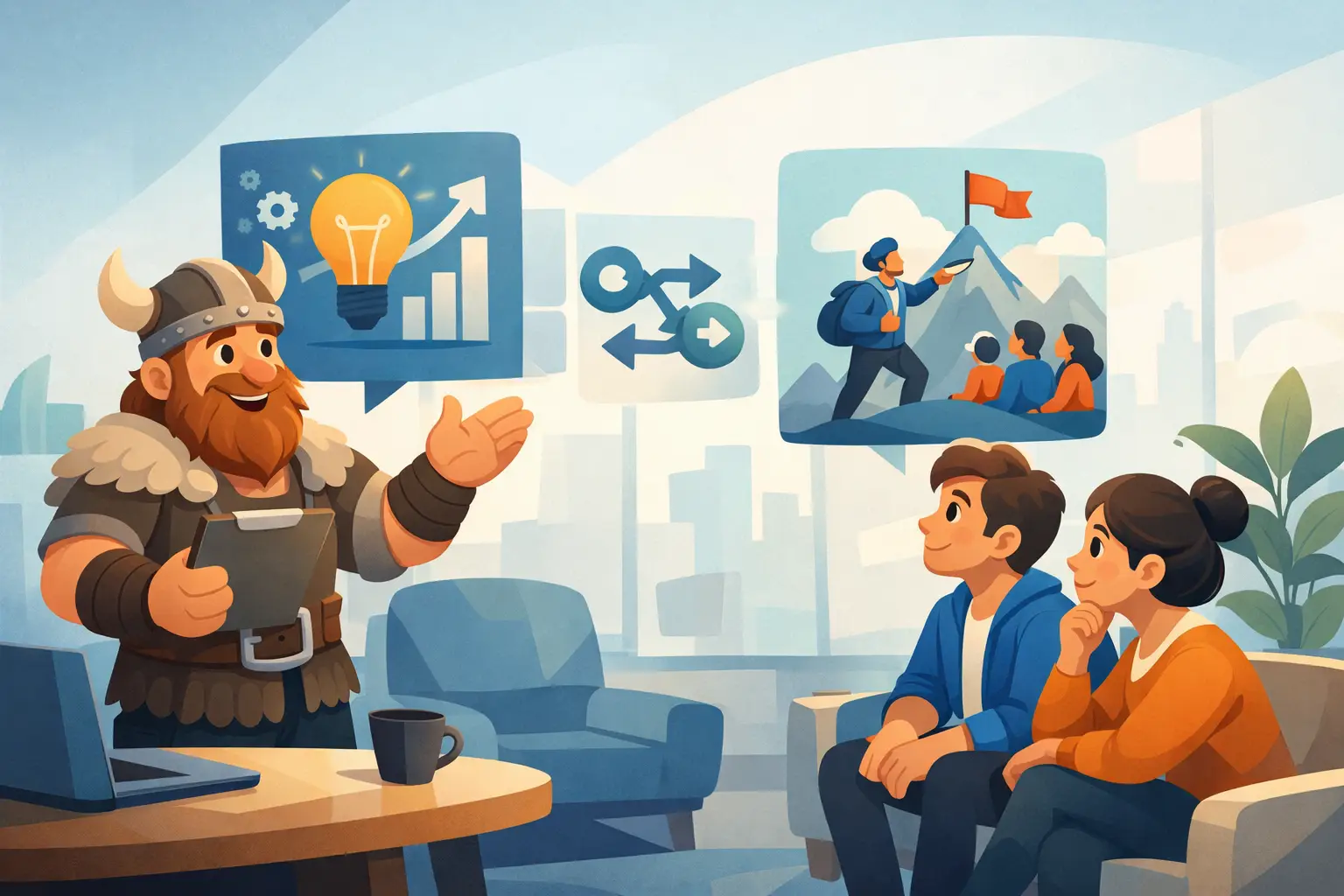
Most founders do not need more advice. They need better decisions on a Tuesday morning, when cash is tight, the sales pipeline looks thin, and three competing priorities all feel urgent. That is where ai executive coaching starts to matter. Not as a shiny extra, but as a practical way to think more clearly, act faster, and lead with more confidence when the business depends on your judgement.
For small business owners and lean leadership teams, the pressure is rarely isolated to one area. A pricing problem affects sales. A hiring delay affects delivery. A messy process affects margin. Traditional executive coaching can help with leadership and perspective, but it often stops short of the hands-on, cross-functional support founders actually need. AI changes that – if it is used well.
What ai executive coaching actually means
At its best, ai executive coaching is not a chatbot throwing out generic motivation. It is a structured form of decision support that helps leaders work through real business challenges with more speed and less guesswork. That can include pressure-testing ideas, identifying blind spots, clarifying trade-offs, and turning broad goals into workable next steps.
The key difference is consistency and accessibility. A traditional coach might meet you twice a month. AI can support you every day, across the moments when leadership actually happens – before a difficult conversation, during a pricing review, while planning next quarter, or when you are trying to decide whether to hire, cut costs, or push for growth.
That matters because most founders are not struggling with a lack of ambition. They are struggling with decision fatigue. They carry strategy, operations, sales, people issues, and financial risk at the same time. AI coaching can reduce that load by helping leaders sort signal from noise and move forward with a clearer plan.
Where ai executive coaching helps most
The strongest use case is not vague self-improvement. It is targeted business leadership.
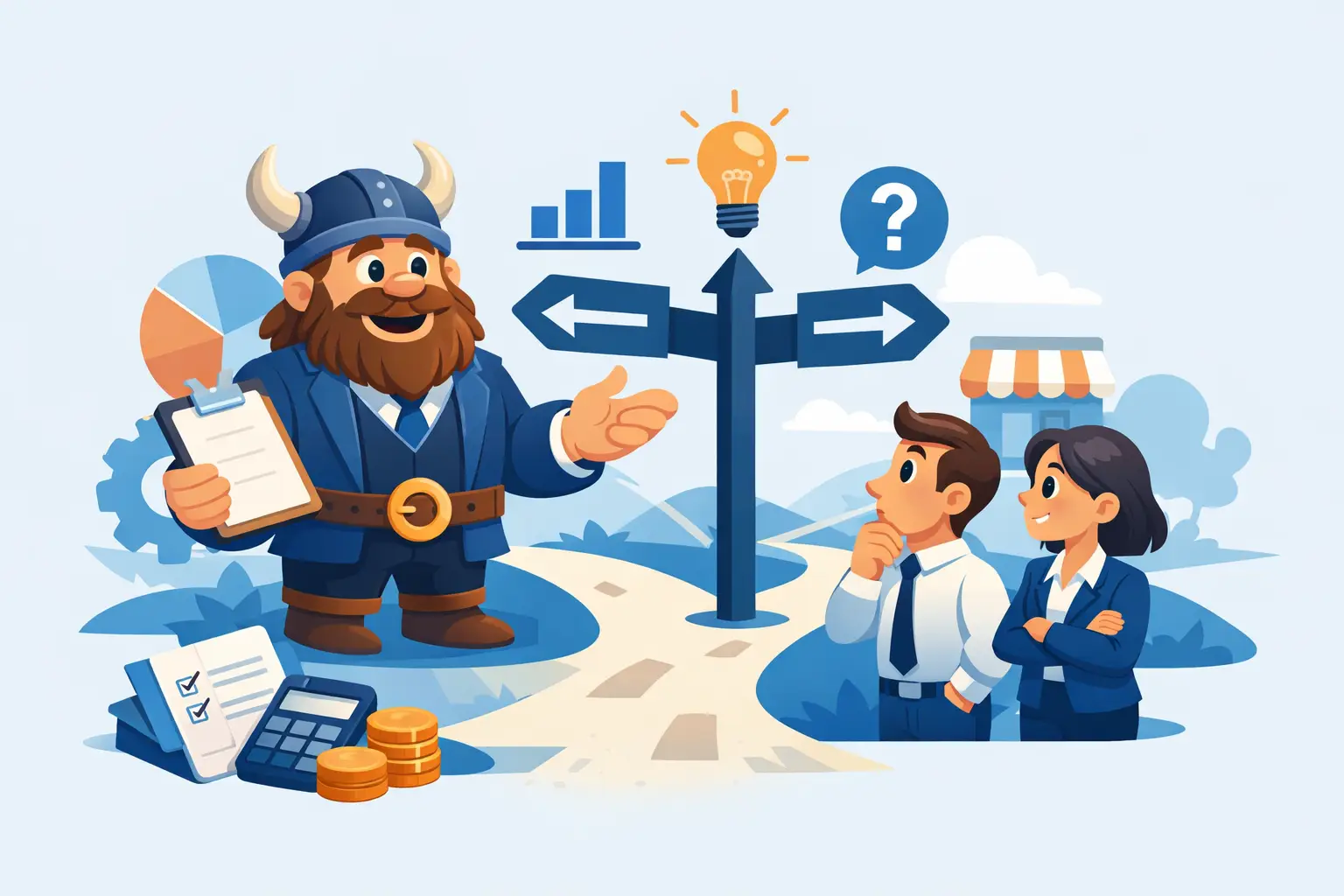
If you are running a growing company, you are constantly making choices with incomplete information. Should you increase prices now or wait? Is a slow team member under-supported or simply wrong for the role? Should you invest in marketing, improve retention, or protect cash? AI coaching is useful when it helps you frame those decisions properly.
This is where a practical, business-focused approach beats generic AI chat. Good coaching support should understand that leadership decisions sit inside a commercial context. It should help you think through consequences, model scenarios, and turn thinking into action.
For example, a founder dealing with stalled growth does not just need encouragement. They need help diagnosing the real issue. Is demand weak, messaging unclear, conversion poor, follow-up inconsistent, or delivery affecting referrals? AI coaching can help unpack the problem faster, especially when paired with tools, templates, and functional expertise beyond leadership theory alone.
That is also why many business leaders are looking for support that covers more than mindset. They want guidance that connects strategy with execution.
The real advantage over traditional coaching
Traditional executive coaching still has value. A skilled human coach can challenge your assumptions, read emotional cues, and help you work through complex interpersonal dynamics in a way AI cannot fully match. For sensitive leadership transitions, high-stakes conflict, or deep behavioural change, that human element remains important.
But there are trade-offs. Traditional coaching is expensive, time-bound, and often narrow in scope. Many founders cannot justify the cost of regular one-to-one coaching, let alone separate advisers for marketing, finance, operations, and hiring. Even when they can, the support is fragmented.
AI executive coaching offers a different model. It can be always on, lower cost, and available across a wider set of business questions. That makes it especially useful for founders and management teams who need support in the flow of work, not just in scheduled sessions.
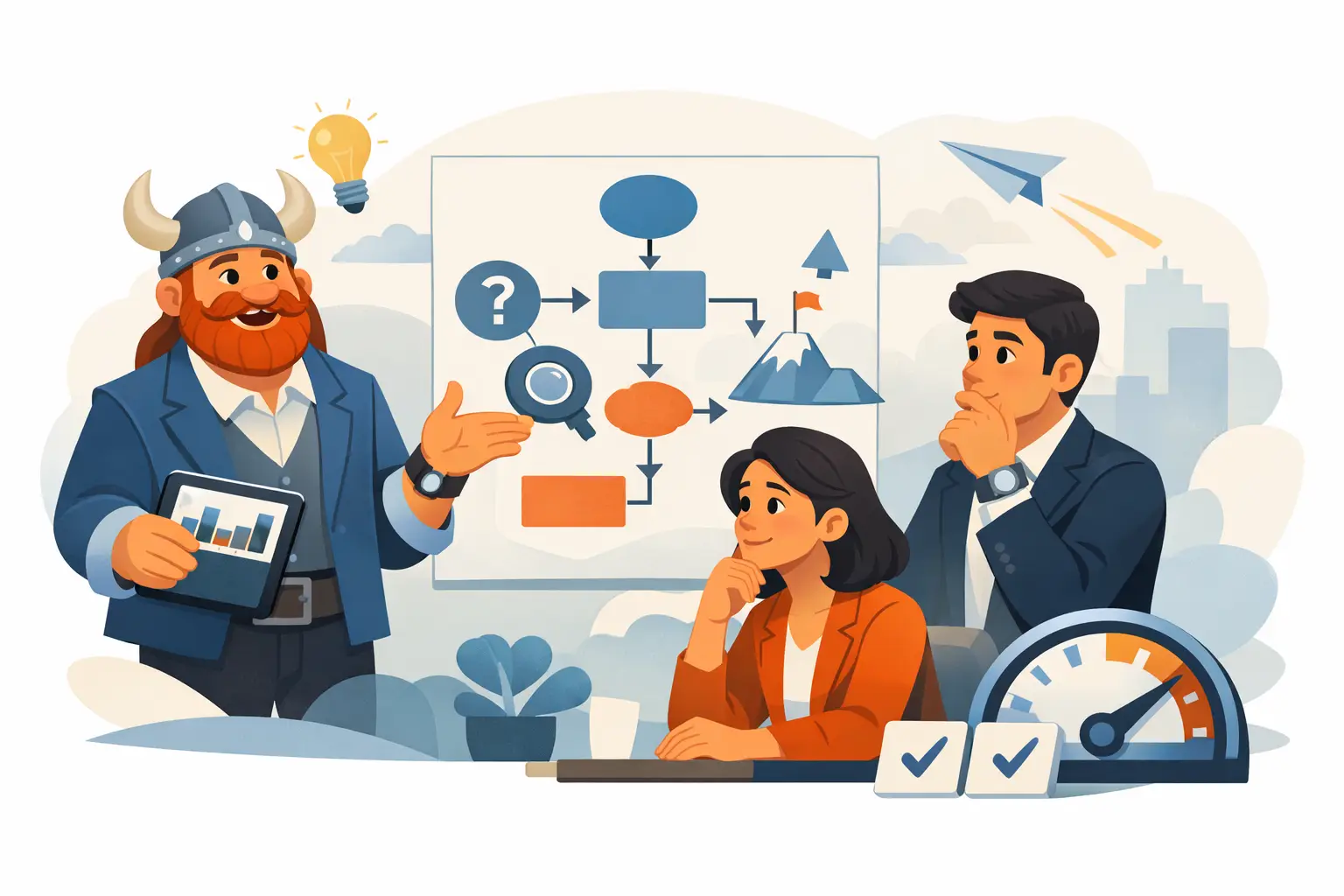
The strongest solutions also go beyond conversation. They help you audit a problem, build a plan, structure a proposal, set priorities, and follow through. That is a major shift. Instead of ending with insight, the process moves into action.
What good ai executive coaching should include
Not every AI tool deserves to be called coaching. Some simply repackage search-like answers in a more polished interface. If you are evaluating options, the standard should be higher.
Good ai executive coaching should adapt to your business stage, goals, and constraints. Advice for a pre-revenue founder should not look like advice for a company with twenty staff and operational bottlenecks. It should also understand context across functions. A hiring recommendation that ignores cash flow is not helpful. A sales plan that ignores delivery capacity is not strategic.
It should also give you practical output. That means clear thinking frameworks, prioritised next steps, templates, planning support, and decision structures you can actually use. Founders do not need more abstract content. They need help making progress this week.
The best systems feel less like asking random questions into a void and more like having a dependable bench of specialist support on hand. That is where a platform approach starts to stand out. Instead of one general-purpose assistant, you get coaching-style guidance across the real functions that shape business performance.
The limits founders should understand
There is a lot to like about AI coaching, but blind trust is a mistake. AI can help sharpen judgement. It should not replace it.
First, output quality depends on input quality. If your brief is vague, your numbers are wrong, or your assumptions are shaky, the advice may be polished but off target. Leaders still need to bring context, honesty, and critical thinking.
Second, AI can miss nuance in people issues. It may help you prepare for a difficult conversation or structure performance feedback, but it cannot fully read team dynamics, emotion, trust, or political context. Those moments still require human leadership.
Third, speed can become a trap. One benefit of AI is that it helps you move faster. But faster is only useful if you are moving in the right direction. Sometimes the right coaching move is to slow down, question the framing, and examine what problem you are really trying to solve.
So the smart approach is not to ask whether AI can replace executive judgement. It cannot. The better question is whether it can strengthen that judgement by giving you clearer options, better structure, and fewer wasted cycles. In many cases, yes.
How founders can use ai executive coaching well
The founders who get the most value from AI coaching tend to use it actively rather than casually. They bring specific business challenges, test assumptions, and ask for alternatives. They use it before decisions, not only after problems appear.
A strong rhythm might look like this: use AI to prepare for your week, pressure-test priorities, clarify what success looks like, and identify likely blockers. Then use it again when you hit friction – a proposal that is not converting, a role you are struggling to fill, a drop in margins, or confusion around what to tackle first.
It also helps to think in layers. Use coaching support for strategic questions, but also for execution. If your goal is to grow revenue, ask not just what strategy makes sense, but what follow-up sequence, pricing logic, reporting view, and team focus would support that goal. This is where leaders save time and reduce drift.
For many small businesses, that blend of coaching and operational support is the real breakthrough. You are not just getting perspective. You are building momentum.
Why this matters now
The appeal of AI in business is often framed around efficiency. That is too narrow. The bigger opportunity is better leadership at a lower cost.
Smaller companies have always had an advice gap. Large firms can afford coaches, consultants, analysts, and specialists across every department. Founders and lean teams usually cannot. They are expected to make the same quality of decisions with a fraction of the support.
That is exactly why platforms such as Any Guru are gaining traction. They make practical, multi-disciplinary support available in a way that matches how smaller businesses actually operate – fast, constrained, and across multiple moving parts at once.
AI executive coaching will not remove the hard parts of leadership. You will still need judgement, nerve, and accountability. But if it helps you think more clearly, act sooner, and build with fewer blind spots, it is not just a useful tool. It is a serious advantage.
The founders who scale with confidence are rarely the ones with perfect information. They are the ones who create enough clarity to make the next good decision, then the one after that.